Special Report 2026

The Minimalism Revolution in Mexico

An in-depth analysis of how the philosophy of living with less is transforming Mexican households, freeing financial resources and creating mental space for what truly matters in a context of constant social pressure toward consumption.

67%
Reduction in Unnecessary Spending
84%
Greater Mental Clarity
92%
Satisfaction with Less
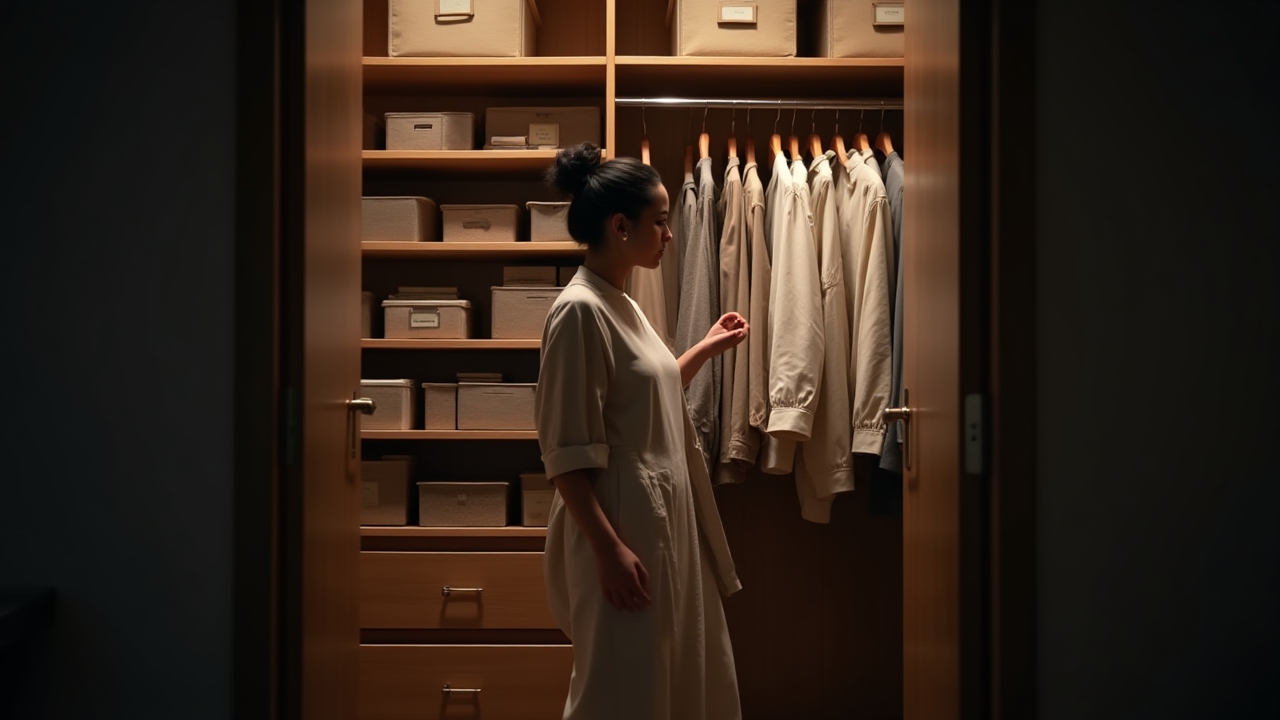
Mexican minimalist space
01

Philosophy of Conscious Minimalism

Minimalism is not simply about getting rid of things. It is a comprehensive philosophy that questions our relationship with objects, money, and the meaning we assign to material success in contemporary Mexican society.

In Mexico, where family traditions and social expectations frequently manifest through consumption and accumulation of goods, adopting a minimalist lifestyle represents an act of self-determination. It is consciously choosing what values we want to cultivate, what spaces we want to inhabit, and how we want to invest our limited time and resources.

Minimalist philosophy recognizes that every object in our home requires not only physical space but also mental energy. Each purchase represents not just money, but invested work time. Every consumption decision is a statement about our real priorities versus the priorities society attempts to impose on us.

Mental Liberation

Reducing physical clutter creates mental space for creativity, meaningful relationships, and personal development. External clarity generates internal clarity.

Financial Freedom

Buying less and better allows accumulating savings, reducing debt, and creating a financial cushion that provides true security and life options.

Sustainable Impact

Consuming consciously reduces our environmental footprint, contributing to a more sustainable future for Mexico and coming generations.

02

Benefits of Minimalism in the Mexican Context

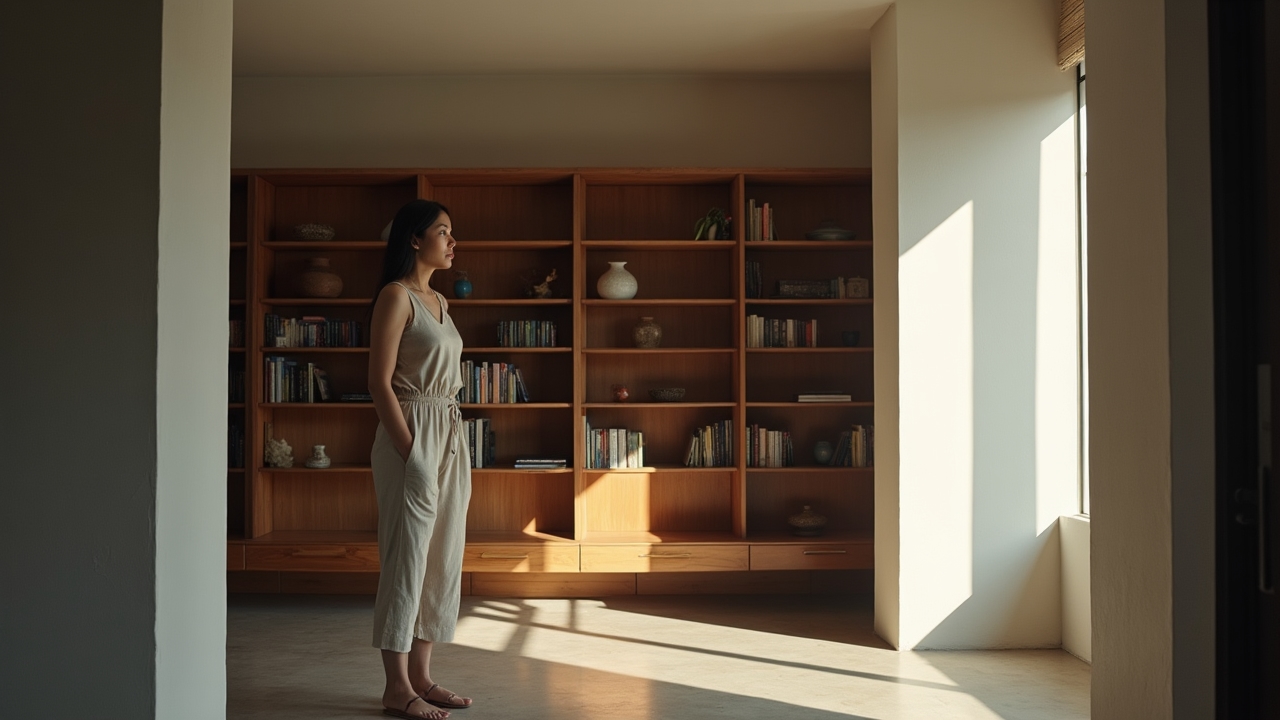
Decluttering process in Mexican home

Implementing minimalism in Mexican households generates tangible and immediate benefits that transform daily quality of life and long-term financial perspectives.

01

Significant Monthly Savings

By resisting social consumption pressure and impulse purchases, Mexican families report monthly savings between 2,000 and 5,000 pesos, money that can be allocated to important goals like education, emergencies, or investments.

02

Optimized Living Spaces

In cities like CDMX where space is premium and costly, maximizing every square meter through decluttering converts small apartments into functional and pleasant homes, eliminating the need to rent additional storage.

03

Reduction of Daily Stress

Fewer possessions mean less time dedicated to cleaning, organizing, maintaining, and worrying about objects. This simplification translates into hours recovered weekly for activities that genuinely add value and happiness.

04

Freedom from Social Comparison

By disconnecting from the constant consumerist race, the anxiety of "keeping up" with neighbors, coworkers, or family expectations is eliminated, allowing success to be defined in authentic personal terms.

03

Fundamental Principles for Daily Practice

Implementing minimalism requires adopting clear principles that guide our daily decisions about consumption, organization, and prioritization of resources.

The Essential Question Principle

Before each purchase, ask: "Does this add real value to my life or just satisfy a momentary impulse?" This simple question prevents 80% of unnecessary purchases and protects valuable financial resources.

The 24-Hour Rule

For non-essential purchases, wait 24 hours before acquiring. This reflection period allows initial enthusiasm to decrease and rationality to prevail, dramatically reducing impulse purchases that later generate regret.

The Cost-Per-Use Concept

Evaluate purchases considering how many times the object will actually be used. An item of 1,000 pesos used 100 times costs 10 pesos per use, while one of 300 pesos used only 3 times costs 100 pesos per use. Quality and real utility exceed initial price.

The One-In, One-Out Policy

When acquiring something new, commit to donating or eliminating a similar existing object. This principle keeps the volume of possessions constant and forces more careful decisions about what truly deserves space in our home.

04

Effective Decluttering Methodology

The decluttering process is not a one-time event, but a continuous system that requires strategy, discipline, and a systematic approach adapted to Mexican reality.

Phase 1

Complete Initial Assessment

Conduct a visual inventory of each space in the home. Photograph problematic areas to document the starting point. Identify categories of objects that clearly add no value: clothes not worn for a year, unnecessary duplicates, gifts kept out of social obligation, impulse purchases never used.

  • Photographically document the current state of each room
  • Identify areas of greatest problematic accumulation
  • List categories of objects to process systematically
  • Establish realistic reduction goals per space
Phase 2

Decisive Classification

Implement the three-category system for each object: Keep (used regularly and adds value), Donate (functional but unused), Discard (broken, obsolete, or without possibility of use). Process one complete category of objects before moving to the next to maintain focus and momentum.

  • Prepare labeled boxes for each destination category
  • Process objects by complete category, not by room
  • Make quick decisions based on actual use in the last year
  • Coordinate immediate donations to avoid re-accumulation
Phase 3

Intelligent Reorganization

Assign specific and logical locations for each object that is kept. Prioritize accessibility according to frequency of use. Implement visual systems that facilitate maintaining achieved order. Create functional zones that support daily activities without friction.

  • Group objects by frequency and context of use
  • Optimize vertical storage to maximize space
  • Label containers to maintain visual organization
  • Establish simple daily maintenance routines
Minimalist organization system Organized minimalist living room
05

Conscious Consumption and Intentional Purchases

Conscious intentional shopping Conscious consumption decisions

Resisting social consumption pressure in Mexico requires concrete strategies and deliberate habits that protect our resources and align our purchases with authentic values.

Shielding Against Aggressive Marketing

Unsubscribe from promotional newsletters, limit exposure to advertising on social media, avoid shopping centers as entertainment. Each ad we see is a professional attempt to manipulate our desires and create artificial needs. Reducing this exposure dramatically decreases the temptation for unnecessary purchases.

Restrictive List System

Maintain an updated list of real needs before shopping. Buy exclusively what is on the list, without deviations for attractive offers. This simple discipline prevents 90% of impulse purchases that later become clutter and regretted spending. The list acts as a contract with ourselves.

Clear Communication of Boundaries

Inform family and friends about our minimalist commitment. Suggest experiences over objects for gifts. This communication prevents accumulation of unwanted objects for special occasions and helps change social dynamics that equate love with material consumption.

Visualization of Real Savings

Calculate and document monthly savings achieved by resisting unnecessary purchases. Seeing this amount grow in a separate account positively reinforces minimalist behavior and provides tangible evidence that living with less generates more resources available for important goals.

Mental liberation from consumerism

The Result: Genuine Freedom

By adopting conscious consumption and resisting social pressures, Mexican families discover that true abundance does not come from accumulating more, but from needing less. This liberation from the consumerist cycle creates financial space for opportunities, physical space to live comfortably, and mental space to pursue authentic aspirations without the constant noise of materialism.

06

Begin Your Minimalist Transformation

Complete the form to receive personalized information on how to implement conscious minimalism in your specific context. We will share practical resources and strategies adapted to Mexican reality.

Contact Information

Address

Esquina sur 77, Ermita Iztapalapa 266
Sinatel, Iztapalapa
09470 Ciudad de México, CDMX

Phone

+52 55 5674 6666

Email

contact@kredonlavino.com